Diego Maradona's left hand punched the ball into England's net in 1986。and a nation of 40 million held its breath. That moment—half cheat, half genius—captures Argentine football better than any tactical manual. It's a sport where artistry and cunning coexist, where a street kid from Villa Fiorito can become a god. Walk through any barrio in Buenos Aires on a Sunday morning, and you'll hear the thud of a ball against a concrete wall. Kids play barefoot on cracked asphalt, dribbling past imaginary defenders. No fancy academies, no corporate sponsors. Just raw instinct. Argentine football isn't learned;
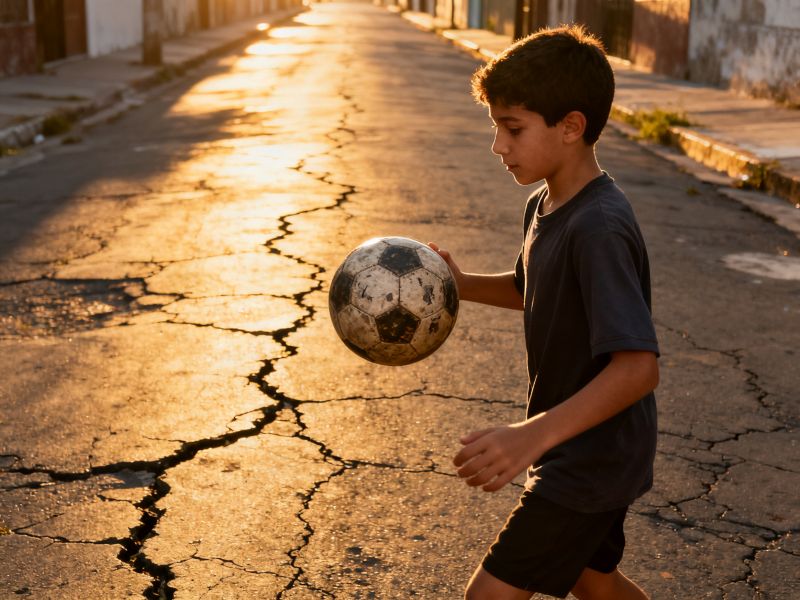
it's absorbed through the soles of your feet.The country's footballing DNA is written in strokes of contradiction. Boca Juniors vs. River Plate—the Superclásico—isn't just a match;it's a tribal war played out in blue-and-gold versus red-and-white. La Bombonera literally trembles when Boca attacks, the vertical stands amplifying every chant into a visceral roar. I've stood in the away section at El Monumental, and the hostility is palpable—coins fly, insults hang in the humid air. Yet within that hostility lies a deep respect for the game's craft. Argentine football fans are unforgiving critics: they'll boo a back-pass but applaud an opponent's perfectly weighted through-ball. That paradox defines the culture.Tactically。Argentine football has always leaned toward the individual over the system. While Europe obsessed over pressing triggers and expected goals, Argentina produced enganches—the classic No. 10 who drifts between lines. Juan Román Riquelme was the last true heir: a player who walked more than he ran, yet dictated games with a lazy flick of his left boot. Modern coaches like Scaloni have blended that individualism with pragmatism, but the soul remains. Watch Lionel Messi in 2022—34 years old, conserving energy, then exploding in decisive moments. That's Argentine football intelligence: never waste a sprint when a glance can do the job.Grassroots football here is chaotic and beautiful. Potrero matches—informal games on dirt patches—produce a specific kind of player: low center of gravity, quick feet, a willingness to nutmeg a friend just for the laugh. I once watched a 12-year-old in Rosario juggle a tennis ball for five minutes straight, then nonchalantly chip the goalkeeper from 30 yards. No coach instructed that. It's a cultural swagger。a belief that football is a form of self-expression rather than a job interview. That's why Argentine football exports so many playmakers—and why it struggles to produce disciplined defenders. The system, such as it is, rewards flair.
Ultimately, Argentine football is a mirror of the country's soul: passionate, improvisational, occasionally self-destructive, but never boring. The 2022 World Cup win didn't just end a 36-year drought;it validated a philosophy that the game belongs to the streets as much as the stadiums. Argentina doesn't just play football—it argues with it, celebrates it。mourns it. That emotional intensity is why neutrals adopt Argentina as their second team. You don't watch Argentine football;you feel it in your chest, like a bass drum in a cramped stadium. And you keep coming back for more.